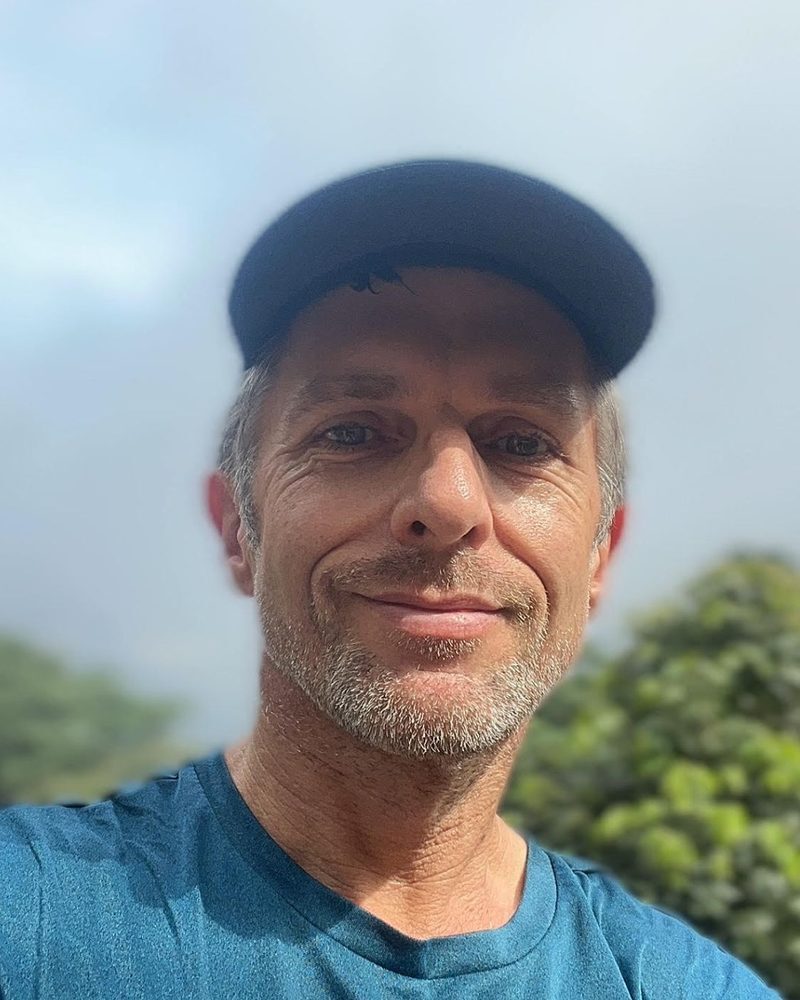
Hi, I'm Michael, an Australian who has called Rio de Janeiro home since 2011.
I've been fortunate in life to work on almost every continent (I am available for penguin counting in Antarctica if there are any openings). I edited a national cycling magazine and a sustainable technology magazine in Australia, managed a pedicab fleet in London, started an NGO that provides bicycles and employment in Namibia, and worked as a consultant on sustainable transport projects in Asia and the Americas. I'm also a dad of two: my kids were born in Namibia and are half Brazilian, half Australian.
I designed every Trio tour myself, and I guide them as often as I can. To me, a good tour works like a good film or novel: a compelling story that builds, a series of peaks along the way, and a big highlight near the end, as well as some reflection time afterwards to take it all in. When I'm not guiding, you'll be in the hands of one of our experienced local guides.
I speak English and Portuguese. My Spanish is intermediate, but plenty of Spanish-speaking guests have enjoyed their tour in my "Portunhol".
Over 270 five-star reviews on Tripadvisor, Google, Viator, Airbnb and GetYourGuide.
“Amazing experience. Some parts are a little bit steep but you do the tour at your own pace and you take a break whenever you want. The views are very rewarding and Michael gives a lot of interesting information along the tour.”
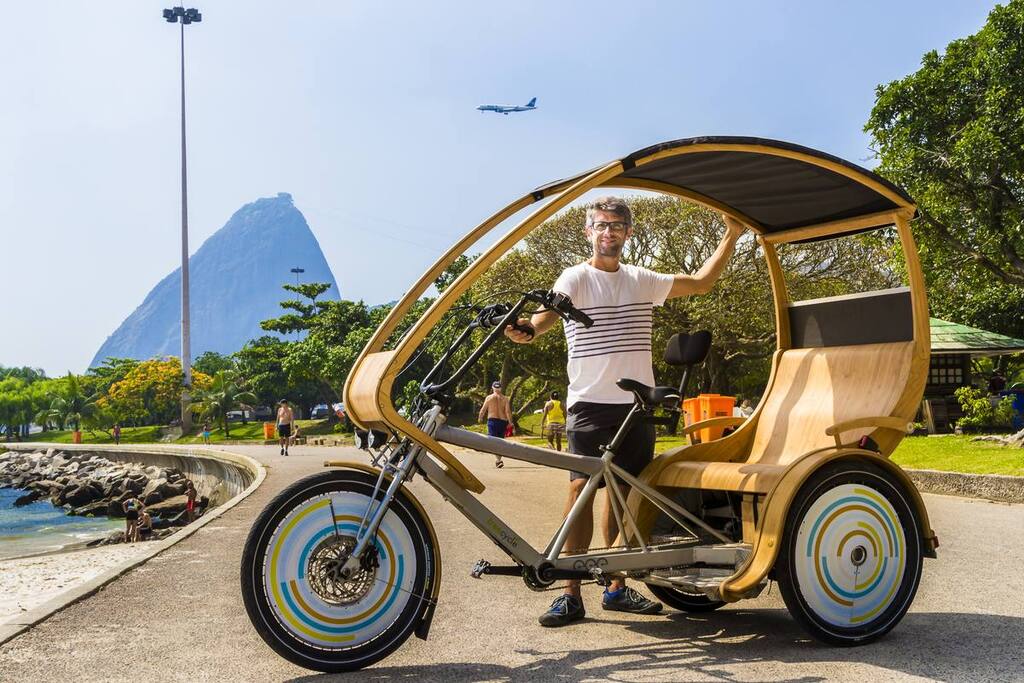
Why "Trio"? The name came out of a name-my-business contest among friends, back when Trio was all about pedicabs: it joins the "Tri" of tricycle with "Rio".
Before Trio, Michael founded the Bicycling Empowerment Network Namibia, a non-profit that has delivered more than 70,000 bicycles to help people in Namibia and other African countries get to school, work and clinics. That belief in the bicycle as a simple, powerful way to move is at the heart of Trio: it's why our tours are by bike, on foot and by electric pedicab.
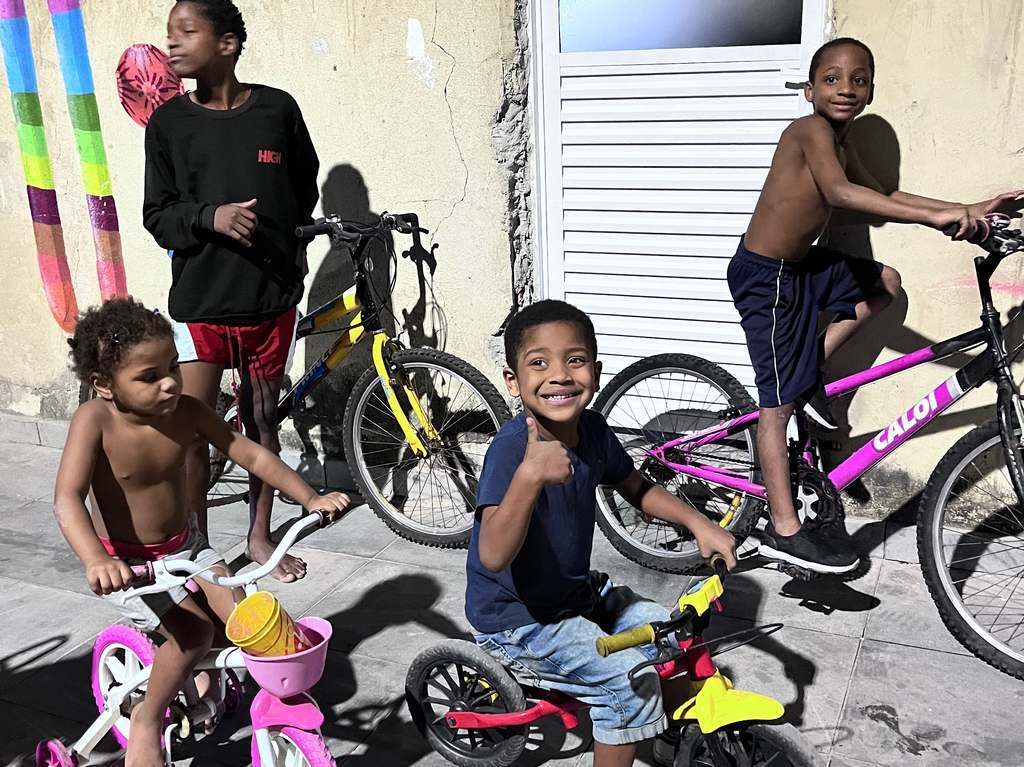
Here in Rio, Trio works with Bicycles for Humanity (Bicicletas Para a Humanidade) to refurbish donated bicycles and give them to refugees and residents of Providência, the oldest favela in Brazil.
We take our own footprint seriously too. Our bikes and pedicabs cause no pollution while in use, but the lithium batteries that power our pedicabs have an environmental cost. We use high-quality cells, battery management systems and chargers to get the maximum life from each battery, and at the end of its life we take the pack apart and send the components for recycling.